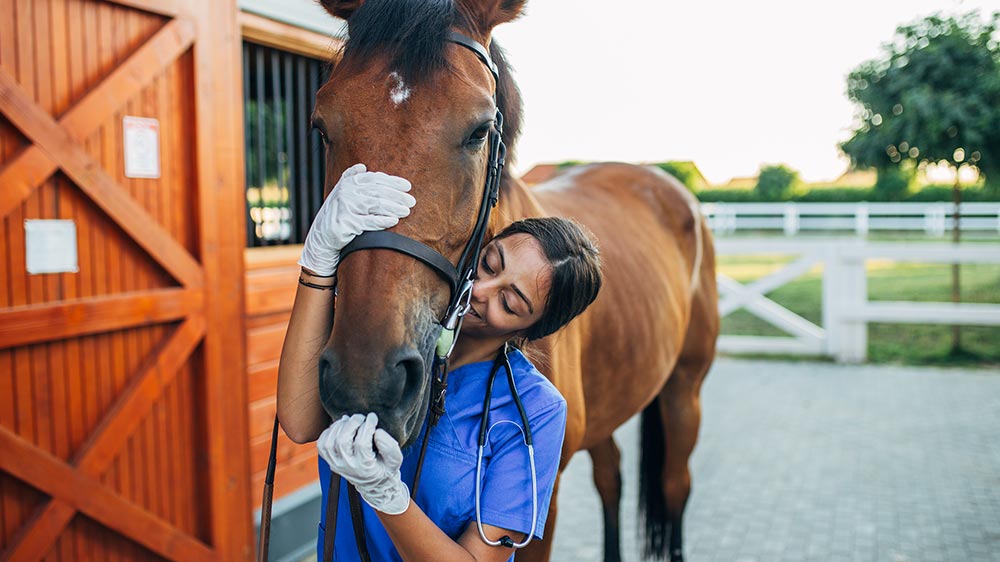
It’s been a crazy year already and many of us are itching to get out and about with our Equine buddies. Whether you enjoy the occasional trail ride or a bit of fierce competition, I think it’s fair to say that ensuring your horse is fit for its purpose and has a general health check-up is a pretty vital aspect of owning a horse.
Often, when we think about health, we think about the kind of foods we are eating, the kind of liquids we’re drinking, and how much exercise we are, or are not, doing…
When it comes to our horses, however, there are quite possibly a few more things to take into consideration than you first thought.
So what should we be taking into consideration?
All in all, regardless of the discipline you follow, there are several all-around health checks your horse should be able to pass before thinking about going for a ride. If you are already regularly riding, and you find that your horse is either challenging you or its behaviour has changed, then there is a very high chance it is trying to tell you something.
A lot of the time this sort of behaviour is dismissed, but when we learn that it could be an underlying issue, it is important to go through a process of elimination to work out what the root cause of the change in behaviour actually is.
Muscle and skeletal structure
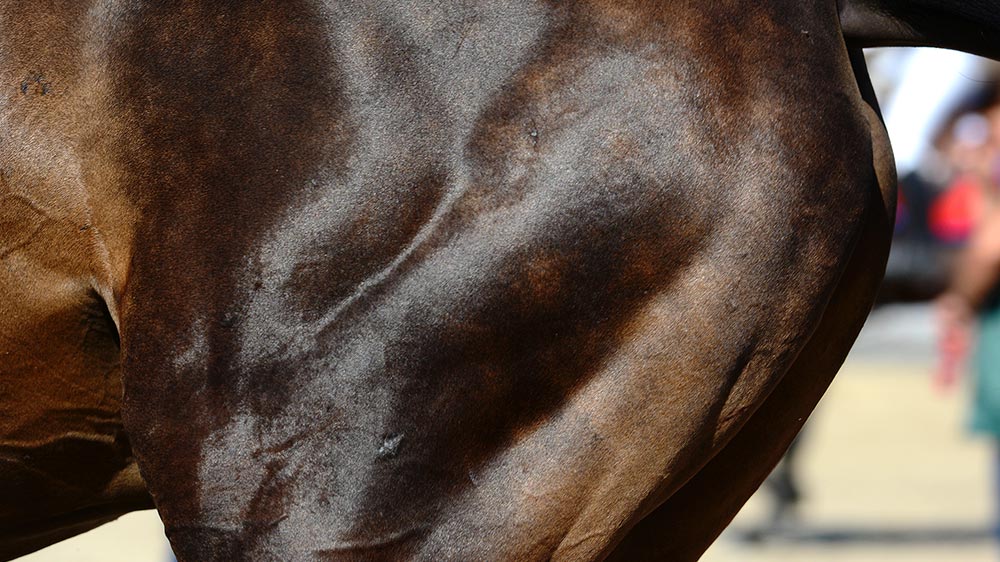
Muscular tension or vertebral misalignments can be the cause of a lot of ridden problems. If your horse is not responding to something you are asking it to do, it can be because their movement is being restricted by muscle tightness, underdevelopment, or a joint mobility problem.
Some signs to look out for:
– Shortened strides;
– Cross firing in their leads;
– Lugging on the bit;
– Difficulty stopping & backing up;
– Difficulty flexing;
– Bucking or rearing.
Top 8 behavioural changes you may notice:
– Being difficult to catch;
– Head shy;
– Uncharacteristically nervous or flighty;
– Sour or irritated;
– Threatening to bite or kick when being saddled;
– Pulling away from you or pulling back when tied up;
– Difficulty standing correctly to urinate;
– Muscle & ligament induced lameness.
Dentistry
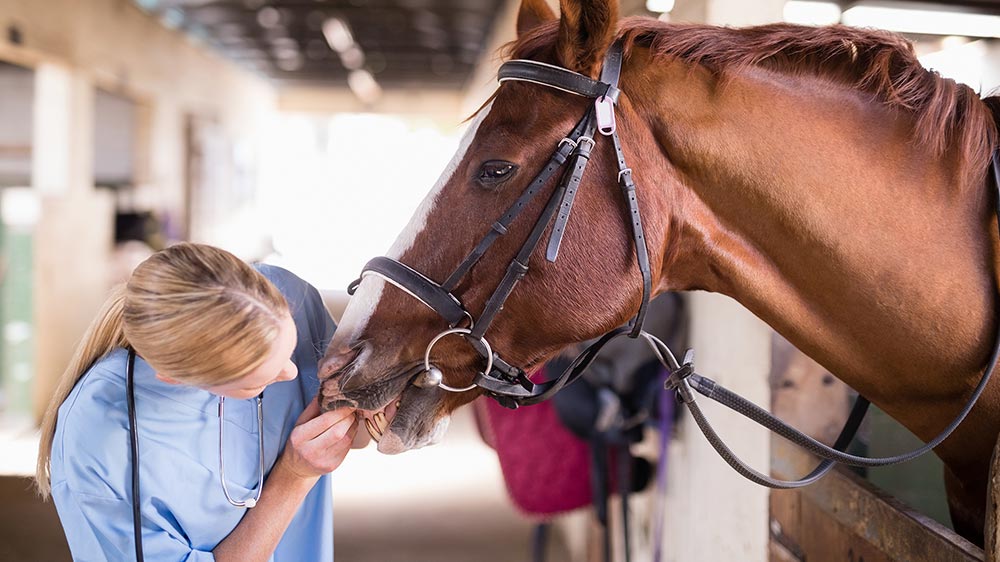
Teeth are another very important aspect of your horses’ overall health. They are constantly growing and wearing therefore if not attended to, a head full of bad teeth can result in numerous issues from malnutrition to riding-related problems. If your horse isn’t able to chew its food adequately for proper digestion, it can also lead to internal issues such as mouth abscesses, ulcers, gastrointestinal and kidney problems.
Some indications to watch out for include:
– Can’t maintain condition;
– Drops a lot of feed while chewing;
– Head tossing when pressure is applied whilst riding;
– Lugging on the bit;
– Bolting;
– Head shy;
– Sour and irritated;
– You find un-masticated food in poop.
In any case, you should do some more in-depth research to discover exactly what it is you need to be looking for when having your horses’ teeth done, and also to find a qualified and proficient Equine dentist for a regular check-up for your equine pal.